Phone:
(701)814-6992
Physical address:
6296 Donnelly Plaza
Ratkeville, Bahamas.
Phone:
(701)814-6992
Physical address:
6296 Donnelly Plaza
Ratkeville, Bahamas.
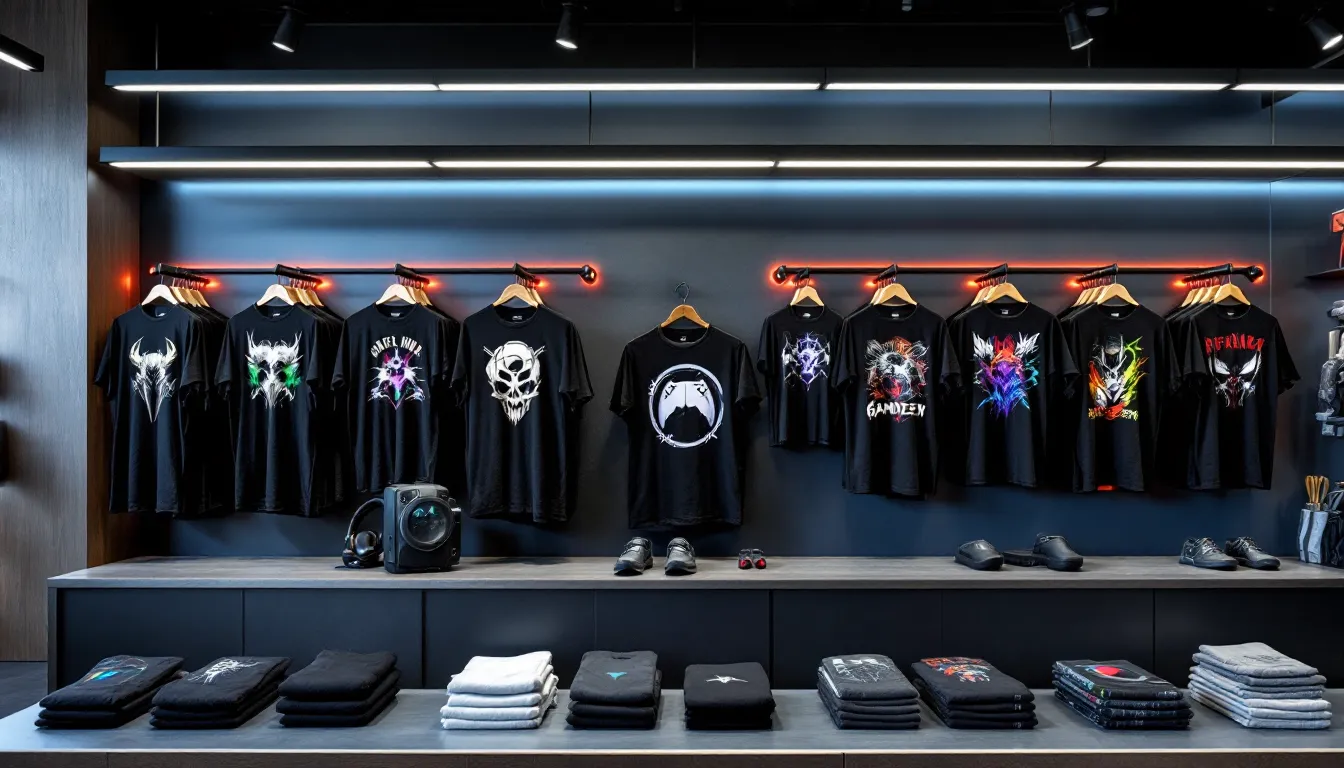
Gaming culture has come a long way from being relegated to basements and LAN parties. In 2026, wearing your gaming passion on your sleeve, or chest, isn’t just accepted, it’s a legitimate fashion statement. Gaming t-shirts have evolved from basic promotional swag into a diverse apparel category that spans everything from high-end streetwear collaborations to artist-driven indie designs.
Whether you’re repping your main in Valorant, flexing rare event merch from TI12, or just want a subtle nod to your favorite JRPG, there’s a gaming tee that fits your vibe. But with thousands of options flooding the market, from official publisher drops to Etsy one-offs, finding the right shirt that matches your style, budget, and gaming identity takes more than a quick Google search.
This guide breaks down everything you need to know about gaming t-shirts in 2026: what makes them different, where the design trends are heading, how to choose quality pieces, and where to actually buy them without getting scammed by drop-shippers.
Gaming t-shirts aren’t just regular blanks with a logo slapped on. The best ones are designed with gamers’ specific needs and preferences in mind, from the materials used to the cultural references embedded in the graphics.
Gaming fashion has shifted dramatically over the past decade. What started as free shirts from convention booths and basic text-based designs has matured into a legitimate subset of streetwear and pop culture apparel.
In 2026, major fashion brands are actively collaborating with game studios. We’ve seen Louis Vuitton’s League of Legends collections, Uniqlo’s ongoing partnerships with Nintendo and Capcom, and smaller streetwear labels working directly with indie developers. Gaming t-shirts have become collectible, with limited drops selling out in minutes, similar to sneaker culture.
The designs themselves have also evolved. Early gaming shirts were often literal screenshots or logo dumps. Now, they incorporate abstract art, subtle iconography, and design language that only fellow gamers will recognize. A well-designed Hollow Knight shirt might look like modern minimalist art to a non-gamer, but to fans it’s an instant connection.
If you’re wearing a shirt during marathon gaming sessions, especially competitive grinding or long streams, fabric matters more than you’d think.
Most quality gaming t-shirts use 100% ring-spun cotton or cotton-polyester blends (typically 60/40 or 50/50). Ring-spun cotton is softer and more durable than standard cotton, holding up better after repeated washing. Polyester blends add moisture-wicking properties, which helps if you’re the type to sweat during clutch moments or your setup runs hot.
Premium brands like Meta Threads and Insert Coin have started using tri-blend fabrics (cotton/polyester/rayon) that combine softness, breathability, and shape retention. These cost more but feel significantly better than standard Gildan blanks.
Weight matters too. Lightweight shirts (3.5-4.5 oz) work better for streaming or summer gaming sessions, while heavier options (5.5-6 oz) provide better print durability and work well for layering. Most gamers prefer something in the middle, around 4.5-5.3 oz, that balances comfort and longevity.
The gaming t-shirt market in 2026 is more diverse than ever, with distinct style categories catering to different tastes and communities.
Nostalgia continues to dominate. Retro gaming shirts featuring 8-bit and 16-bit graphics from NES, SNES, and Sega Genesis era games remain consistently popular. Titles like Mega Man, Castlevania, and early Final Fantasy games get regular rereleases in vintage-style designs.
What’s changed is the treatment. Instead of just reprinting old box art, designers are creating weathered, distressed looks that mimic actual vintage shirts from the ’80s and ’90s. Some premium releases even use period-accurate screen printing techniques to nail that authentic feel.
PS1 and N64-era aesthetics have also exploded in popularity. Low-poly character models, early 3D textures, and that specific late-’90s gaming vibe resonate strongly with millennials and older Gen Z gamers. Metal Gear Solid, Resident Evil, and Ocarina of Time designs are everywhere.
Esports merch has professionalized significantly. Top organizations like T1, Fnatic, G2, and Team Liquid now have full apparel lines designed by actual fashion teams, not just logos on generic blanks.
Team jerseys remain the core product, but casual tees have become just as important. These range from clean logo shirts to designs celebrating specific championship runs or iconic plays. Quality varies widely, OpTic and 100 Thieves generally deliver premium construction, while smaller orgs still rely on basic print-on-demand.
Streamer merch is its own category. Big names like Pokimane, Shroud, and Ludwig release limited drops that sell out fast. The designs tend to be more personal and creative than team merch, often incorporating inside jokes or stream memes that only the community understands.
Not everyone wants to broadcast their gaming preferences loudly. Minimalist designs have grown massively, appealing to gamers who want something they can wear to work or in public without looking like they’re heading to a convention.
These shirts use small embroidered logos, minimal icon sets, or abstract designs that reference games without being obvious. Think a simple triforce outline, a small Aperture Science logo, or color schemes inspired by specific games (Persona 5’s red and black, Hades’ purple and gold).
Some of the best examples come from independent artists who create designs inspired by game aesthetics rather than direct imagery. A shirt might use the color palette and geometric patterns from Hyper Light Drifter without showing any actual game assets. It’s gaming fashion for people who want subtlety over statement pieces.
The overlap between anime and gaming culture means JRPG and anime-adjacent game designs remain huge sellers. Persona, Final Fantasy XIV, NieR, and Genshin Impact shirts dominate this category.
These designs often blur the line between gaming and general anime apparel. Character art is common, but so are designs featuring symbolic imagery, in-game factions, or stylized Japanese text. The quality range is extreme, from gorgeous officially licensed art prints to questionable bootlegs with off-model character renders.
Visual novel and gacha game merch has also carved out its space. Games like Honkai: Star Rail and Blue Archive have dedicated apparel lines, often released alongside game updates or character banners. Limited edition character birthday shirts are a whole subculture within this category.
With so many options available, choosing the right gaming t-shirt requires considering fit, design authenticity, and actual value for money.
Gaming t-shirt sizing is frustratingly inconsistent across brands. A medium from one company might fit like a large from another, especially when comparing Asian sizing (common with Japanese game merch) to Western brands.
Most quality retailers now provide detailed size charts with chest width, length, and sleeve measurements. Actually measure a shirt you like and compare numbers, don’t just order your usual size blindly. Asian sizing typically runs 1-2 sizes smaller than US sizing, so if you’re ordering from Japan-based stores or sites like AmiAmi, size up.
Fit styles matter too. Traditional gaming merch often uses standard or boxy fits. Premium brands offer slim, athletic, and oversized options. Streetwear-influenced gaming brands lean toward oversized fits that work well for layering.
For long gaming sessions, prioritize comfort over style. Shirts with tagless printing, flatlock seams, and slightly longer torsos prevent bunching and irritation during extended sitting. If you stream, consider how the shirt looks on camera, busy patterns can create moiré effects, while solid colors or large simple graphics usually read better.
Your gaming wardrobe should reflect what you actually play and care about, not just what’s trending. A Fortnite shirt makes sense if you log hundreds of hours in Battle Royale, but it rings hollow if you’ve never played it.
Consider your gaming platform and community identity. PC gamers often gravitate toward Steam, RGB jokes, or specific titles like CS2 and Dota 2. Console players lean into PlayStation, Xbox, or Nintendo branding. Competitive players want esports team gear, while single-player fans prefer story-driven game designs.
Timing matters for design selection. Wearing a shirt from a game currently in its peak shows you’re active in that community. Retro designs signal nostalgia and gaming history knowledge. Wearing merch from a dead game or discontinued service can be either a vintage flex or just dated, depending on execution.
Think about longevity too. Games with timeless design languages (Dark Souls, The Legend of Zelda, Half-Life) produce shirts that age well. Live service games with constantly changing aesthetics might result in designs that feel outdated within a year.
Gaming t-shirts range from $15 basics to $60+ premium pieces. Understanding what you’re paying for helps avoid overpaying for mediocre quality or missing out on worthwhile upgrades.
Budget tier ($15-25): Basic print-on-demand shirts from Redbubble, TeePublic, or similar platforms. Quality varies by blank and printer. These work fine for casual wear but expect fading after 20-30 washes. Good for testing designs you’re unsure about.
Mid-tier ($25-40): Official merchandise from game publishers, established esports orgs, and reputable gaming apparel brands. Better blanks, more durable printing (usually screen printing or DTG on quality equipment), and licensed designs. This is the sweet spot for most gamers.
Premium tier ($40-60+): Collaboration pieces, limited releases, and fashion-forward gaming brands. You’re paying for superior fabrics, unique designs, exclusivity, and better construction. Worth it if you wear the shirt regularly or it’s from a game/brand you’re passionate about.
The premium tier also includes convention exclusives and limited event merch. A TI (The International) exclusive shirt or BlizzCon limited design holds value both as apparel and as collectible memorabilia. These often appreciate on resale markets if kept in good condition.
Knowing where to shop determines both quality and selection. Different retailers serve different needs and aesthetics.
Buying directly from official stores guarantees authenticity and supports the developers. Most major publishers now run their own storefronts:
Official stores typically use better blanks and printing than third-party sellers, but they’re also pricier. Watch for seasonal sales, many official stores run 20-30% off during Black Friday, E3 periods (even though the event itself is dead), and game anniversaries.
Some developers partner with specialized gaming fashion brands like Insert Coin, Fangamer, or iam8bit for higher-end releases. These collaborations often produce the best-designed official merch available.
Print-on-demand platforms offer massive selection and unique designs you won’t find elsewhere:
The advantage here is variety and niche coverage. Looking for a specific indie game like Hades, Hollow Knight, or Stardew Valley? Independent artists create dozens of design variations that official merch doesn’t cover. For those interested in exploring gaming tech how-tos, these platforms often feature designs referencing specific gaming setups and PC builds.
Quality control is the downside. Since designs are printed on-demand using various blank suppliers and printers, results vary. Check reviews on specific products, not just the platform overall. Artists who consistently use premium blanks and printing methods will note this in their listings.
Etsy is another option for truly custom or small-batch designs. Quality ranges from professional to garage-level, so vet sellers carefully through reviews and shop history.
Conventions remain the best place to find exclusive designs and limited releases:
Convention exclusives create FOMO for good reason, they’re genuinely limited and usually high quality. Some publishers now offer online sales for convention exclusives if you can’t attend in person, but quantities are still limited.
Local gaming stores and specialty pop culture shops (think Hot Topic, BoxLunch) carry gaming shirts, but selection is usually limited to mainstream franchises. They’re convenient for impulse buys but rarely carry anything unique.
Platform loyalty runs deep in gaming culture, and apparel often reflects that tribalism, sometimes ironically, sometimes dead serious.
PC gaming shirts lean heavily into tech specs, RGB lighting jokes, and platform superiority memes. Common themes include:
PC gaming shirts tend toward the sarcastic and meme-heavy end of the spectrum. They’re often conversation starters at LANs or tech meetups. Many tech publications including those that cover gaming peripherals and accessories have highlighted how PC gaming culture influences fashion trends.
Valve rarely produces official Steam merchandise, so most Steam-themed shirts come from independent designers. Quality varies significantly, some are clever and well-designed, others are just text on a shirt.
Each console brand has its own aesthetic and merchandising approach.
PlayStation designs often incorporate the iconic button symbols (triangle, circle, X, square) and the classic blue color scheme. Official PlayStation merch has improved dramatically over the past few years, with cleaner designs and better blanks. Exclusive game designs (God of War, The Last of Us, Spider-Man) are usually higher quality than generic PlayStation logo shirts.
Xbox apparel tends to be more understated, often using the simple X logo or green color blocking. The Game Pass branding has started appearing on shirts, appealing to subscription service fans. Halo remains the dominant franchise for Xbox-specific designs.
Nintendo produces the most family-friendly and broadly appealing gaming shirts. Mario, Zelda, Pokémon, and Animal Crossing designs dominate. Nintendo’s official merchandise tends to be high quality but conservative in design. Independent artists create more creative and adult-oriented Nintendo designs that the company itself wouldn’t produce.
Console war shirts exist but have become more ironic than genuinely antagonistic. Most gamers in 2026 own multiple platforms or acknowledge that platform exclusivity culture is mostly outdated corporate marketing.
Mobile gaming merch has struggled with perception issues, hardcore gamers have historically dismissed mobile gaming as “not real gaming”, but that’s changing as mobile gaming legitimizes through esports and high-production titles.
Games like PUBG Mobile, Call of Duty Mobile, Genshin Impact, and Honkai: Star Rail now have substantial merchandise lines. These designs often mirror console/PC game aesthetics since many are cross-platform or have console equivalents.
Casual gaming shirts (Among Us, Fall Guys, Stardew Valley, Animal Crossing) appeal to broader audiences beyond traditional gamer demographics. These designs work for people who game but don’t build their identity around it. They’re also more acceptable in professional or family settings where hardcore gaming references might raise eyebrows.
Puzzle and indie game shirts represent another casual category, games like Celeste, Undertale, or Cult of the Lamb have dedicated fanbases that buy merch even though not being AAA titles. These often come from Fangamer or directly from small developers.
If you’re investing in quality gaming shirts or building a collection, proper care extends their lifespan significantly.
Graphic tees require more careful washing than plain shirts. The printing method affects care requirements:
Screen-printed designs are the most durable. They can handle normal washing, but turning the shirt inside out before washing protects the print from abrasion. Wash in cold water and avoid bleach or harsh detergents.
Direct-to-garment (DTG) printing is less durable, especially on dark fabrics. These require gentler treatment, cold water only, inside out, and air drying instead of machine drying. Heat degrades DTG prints faster than screen printing.
Heat transfer/vinyl designs can crack and peel over time. Never iron directly on these prints. Wash inside out on gentle cycles and always air dry.
General best practices:
For valuable or limited edition shirts, hand washing in cold water is the safest option. It’s more effort but significantly extends print life.
Stain treatment requires care around graphics. Spot-treat stains gently rather than scrubbing directly on printed areas. Enzyme-based stain removers work better than aggressive chemicals that might damage prints.
Once you’ve accumulated more than a drawer’s worth of gaming shirts, organization becomes necessary.
Folding vs. hanging: Folding prevents stretching and is more space-efficient, but hanging makes browsing easier and prevents crease lines through graphics. Heavy or oversized shirts should be folded to avoid hanger stretch. Lighter shirts can be hung on proper hangers (avoid wire hangers that create shoulder bumps).
Drawer dividers or shelf organizers help categorize by game, franchise, color, or frequency of wear. Some collectors organize by game series or platform, making it easy to coordinate with specific gaming sessions or events.
Vacuum-sealed bags work for long-term storage of seasonal or rarely worn shirts, but avoid storing valuable shirts compressed for extended periods as it can damage prints.
For truly valuable limited editions or collectible event shirts, consider archival storage:
Some collectors display favorite or rare shirts as wall art using shirt frames or shadow boxes. This works particularly well for event exclusives, signed merch, or designs you’ve outgrown but don’t want to part with.
Gaming shirts don’t exist in isolation. Building a functional gaming wardrobe means thinking about versatility, layering, and matching your actual lifestyle.
For day-to-day wear, gaming shirts work best when treated as statement pieces balanced with neutral basics.
Pair graphic gaming tees with:
Minimalist gaming shirts with small logos or subtle designs can be styled more aggressively since they’re less visually dominant. These work with patterned pants, colored outerwear, or statement shoes.
Layering is key for versatility. A gaming tee under a denim jacket, flannel, or bomber creates a more complete look than the shirt alone. This also lets you wear gaming shirts in professional-casual environments where a graphic tee alone might be too casual.
For warmer weather, lightweight zip hoodies or unbuttoned short-sleeve overshirts add dimension without overheating. The gaming shirt peeks through but isn’t doing all the visual work.
Convention dressing is about comfort, fandom display, and practicality. You’ll be walking all day, possibly waiting in lines, and definitely surrounded by other gamers judging your taste.
Convention outfit formula:
Layer with a zip hoodie or light jacket, convention halls fluctuate between ice-cold AC and packed-room heat. Being able to adjust quickly matters.
For tournament attendance (whether competing or spectating), team jerseys or esports org merch signals your allegiance. If you’re competing, check tournament dress codes, some require team-provided jerseys, others allow personal apparel with restrictions on offensive content.
Avoid wearing bootleg or knockoff merch to conventions. The community will notice, and in spaces where artists and developers are present, it’s disrespectful. Many articles in gaming culture and entertainment coverage have discussed how bootleg merchandise impacts independent creators and artists.
Gaming shirts are mostly short-sleeve, but proper layering extends their usefulness year-round.
Spring/Fall layering:
Winter layering:
Color coordination matters more when layering. A busy, colorful gaming shirt needs neutral layers. Simple or monochrome gaming designs can handle bolder outerwear.
Some gaming apparel brands now produce long-sleeve versions of popular designs or complementary pieces (hoodies, crewnecks with matching designs) that create coordinated outfits without being matchy-matchy.
Accessories can reinforce gaming themes without being obvious, a watch with colorful accents matching a game’s palette, a backpack in a complementary color, or subtle jewelry (pixel heart pendants, D20 accessories) that nod to gaming culture without screaming it.
Gaming fashion is evolving beyond simple graphic tees into more innovative territory. Several trends are reshaping what gaming apparel looks like and how it functions.
Sustainability has hit gaming merch, though adoption varies widely. Gamers, especially younger demographics, increasingly care about environmental impact and ethical production.
Several gaming apparel brands have started offering:
Major publishers are slowly responding. Riot Games has committed to sustainable materials in future merchandise lines. Xbox has experimented with recycled cotton in limited releases. Nintendo remains behind the curve here, still mostly using conventional materials.
The challenge is price. Sustainable materials and ethical production cost more, pushing shirts into the $35-50 range where many gamers balk. As production scales and younger, environmentally conscious gamers become the primary market, this will likely shift.
Some brands are experimenting with made-to-order models that eliminate overproduction waste. You order, it’s printed and shipped within a week, nothing sits in warehouses. This reduces waste but requires patience gamers aren’t always willing to give.
Repair and longevity culture is also emerging. Some premium brands offer repair services for damaged prints or worn shirts, extending product life rather than encouraging replacement.
This is still early-stage, but tech-integrated gaming apparel is no longer purely conceptual.
Current and near-future applications include:
LED and EL wire integration: Shirts with embedded lights that respond to sound, movement, or even game events via Bluetooth connectivity. Some prototypes change colors based on your in-game health or status. These are still mostly novelties but improving in practicality.
Haptic feedback apparel: Gaming vests and shirts with haptic motors that provide tactile feedback from games are evolving into more wearable, everyday-friendly formats. Future gaming shirts might include subtle haptics for notifications or alerts.
Temperature-regulating fabrics: Phase-change materials that adapt to body temperature are appearing in premium athletic wear and will likely trickle down to gaming apparel. These could help during long sessions or hot tournament environments.
NFC chips and smart tags: Embedded chips that unlock digital content, verify authenticity, or connect to apps. Limited edition merch might come with NFC tags that unlock in-game items or exclusive digital art.
Gesture control patches: Conductive fabric patches that allow basic touch controls, volume, playback, or simple commands, integrated into sleeves or chest areas.
The main barriers are cost, washability, and actual usefulness. Most gamers won’t pay a 300% premium for LED lights that die after ten washes. But as tech becomes cheaper, more durable, and genuinely useful rather than gimmicky, adoption will increase.
AR integration is another possibility. Imagine gaming shirts with designs that unlock additional visual layers when viewed through smartphone AR apps, static prints that become animated or interactive. Some experimental releases already exist, though mainstream adoption is still years away.
Gaming t-shirts have grown far beyond throwaway swag into a legitimate fashion category with depth, variety, and genuine cultural significance. Whether you’re hunting for subtle minimalist designs to wear to work, limited edition esports merch to flex at tournaments, or vintage game graphics to celebrate gaming history, there’s never been more choice or higher quality available.
The key is knowing what you’re looking for: understanding fabric quality, recognizing authentic versus bootleg designs, finding retailers that match your taste and budget, and caring for your collection properly. Gaming fashion will continue evolving, toward sustainability, tech integration, and greater mainstream acceptance, but the core appeal remains the same: wearing something that represents your passion and connects you with a community that gets it.
Your gaming wardrobe is an extension of your gaming identity. Build it thoughtfully, wear it proudly, and don’t let anyone tell you that caring about what you wear makes you any less of a gamer. GG.