Phone:
(701)814-6992
Physical address:
6296 Donnelly Plaza
Ratkeville, Bahamas.
Phone:
(701)814-6992
Physical address:
6296 Donnelly Plaza
Ratkeville, Bahamas.
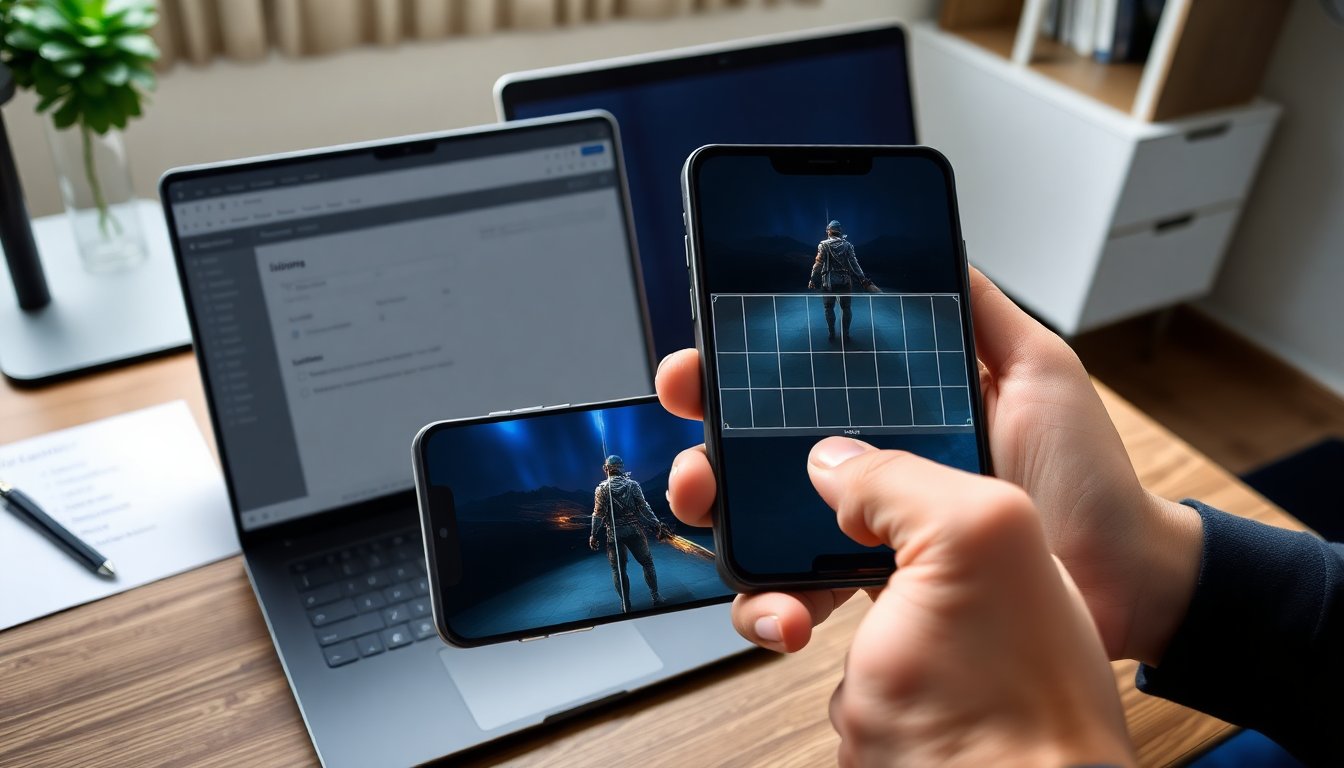
Gaming wallpapers for mobile help users personalize devices and reduce battery strain. This guide explains how to pick an image that fits screen size, file limits, and device compatibility. It shows practical steps to test wallpaper, set it for lock and home screens, and avoid common errors. The guide uses clear examples that let readers act quickly and get consistent results.
Gamers want images that match their style and device. They consider resolution first. They check device screen size and pixel density. They pick an image with equal or higher resolution than the screen. They avoid scaling up small images. Scaling up creates blur and banding.
They check file size next. They keep files small to save storage and speed up loading. They prefer compressed PNG or high-quality JPEG under 2 MB for most phones. They test animated wallpapers carefully. Animated files use more CPU and drain battery faster. They choose short loops and low frame rates for live wallpapers.
They check color and contrast. They pick darker backgrounds if the device uses OLED to save power. They select images with clear focal points so icons remain visible. They test icon contrast by placing common app icons on the image. They move the image until icons sit on calmer areas.
They choose aspect ratio and cropping. They use 16:9, 18:9, or the phone’s native ratio. They crop to keep the main subject centered. They use safe margins so the subject does not sit behind widgets or clock elements.
They verify compatibility. They check the phone OS for wallpaper limits. Android and iOS apply different rules. Android often allows scrolling wallpapers across home screens. iOS locks the image but applies perspective by default. They disable perspective on iOS when it creates unwanted zoom.
They test before finalizing. They set the image on both lock and home screens. They reboot the device to confirm the image persists. They check for compression artifacts introduced by the OS. If artifacts appear, they export a new file with slightly lower compression or a different format.
They consider style and brand. They match the image to the game’s art style when they want themed wallpapers. They use official art for authenticity where allowed. They use original fan art when they want a unique look. They confirm licensing and permission for images intended for public distribution.
They plan for updates. They keep a backup of source files. They save both the full-resolution master and a mobile-optimized export. They document the export settings so they can reproduce the same result on new devices or after a phone upgrade.
Resolution: Match the phone screen pixel dimensions. Use equal or higher pixel dimensions. Avoid scaling small images upward.
File size: Keep exports under 2 MB for still images when possible. For animated or live wallpapers, target under 5 MB with reduced frame rate.
Format: Use JPEG for photographic game art. Use PNG for images with sharp edges or text. Consider WebP for smaller size with similar quality if the device supports it.
Color profile: Export in sRGB for consistent color across devices. Convert images that use wide-gamut profiles to sRGB before export.
Crop and safe area: Keep main subjects inside a safe margin of 10% around edges. This step prevents subjects from getting hidden under widgets or camera notches.
Contrast and icons: Test with a typical icon grid. Move or blur background areas behind icons when contrast is poor.
Battery and performance: Avoid high-resolution animated files on older phones. Prefer static images for long battery life.
OS settings: On iOS, turn off parallax and perspective zoom when they cause unwanted cropping. On Android, test wallpapers on both the lock and home screens because some launchers crop differently.
Licensing: Verify image rights before sharing or selling wallpapers. Use Creative Commons or permissioned sources for public use.
Backup: Keep the original master file. Save an optimized export that matches the device’s specs.
Retro pixel art offers clear shapes and low color counts. Retro art fits well on small screens and keeps icons readable. It often uses low resolution, so designers export scaled-up versions with clean upscaling to avoid blur.
Cinematic art provides dramatic lighting and strong focal points. Gamers use cinematic images for lock screens. They crop these images to highlight faces or action. They reduce clutter around the app area to keep icons visible.
Minimalist designs use large color blocks and simple shapes. These designs work on devices with many widgets. They preserve battery life when they use deep blacks on OLED screens.
Live and animated wallpapers add motion. They require careful tuning. Gamers choose short loops, lower frame rates, and subtle motion. They prefer live wallpapers for home screens and static images for lock screens to improve security and wake time.
Character portraits appeal to fans. They showcase favorite heroes with clean backgrounds. Designers remove busy backgrounds and center the character. They test icon contrast and save alternate crops for different screen ratios.
Landscape and environment art show game worlds. They work well when the horizon aligns with the device’s status bar. They create a sense of depth without interfering with app layouts.
Where to find high-quality images: Official game websites often provide wallpapers. They supply correctly sized and licensed images. Community hubs on forums share fan-made options. Fans submit variants sized for popular phones. Wallpaper marketplaces list premium screens created by professional artists. They offer packs grouped by game and device.
How to evaluate sources: Check resolution and file format. Read license terms. Prefer sources that list device presets or provide multiple aspect ratios. Look for sample previews showing icons and clock overlays.
How to customize downloads: Use a simple image editor to crop and resize. Export at the device resolution and in sRGB. Adjust levels and sharpness cautiously. Save a backup copy of the original file.
Sharing and credit: When users share fan art, they credit the artist. They link to the original source and follow the license. This practice supports creators and keeps the community healthy.
Tips for 2026: Use WebP where the phone supports it to reduce file size. Use wallpaper apps that show real-device previews. They allow quick testing across multiple aspect ratios and launcher styles.