Phone:
(701)814-6992
Physical address:
6296 Donnelly Plaza
Ratkeville, Bahamas.
Phone:
(701)814-6992
Physical address:
6296 Donnelly Plaza
Ratkeville, Bahamas.
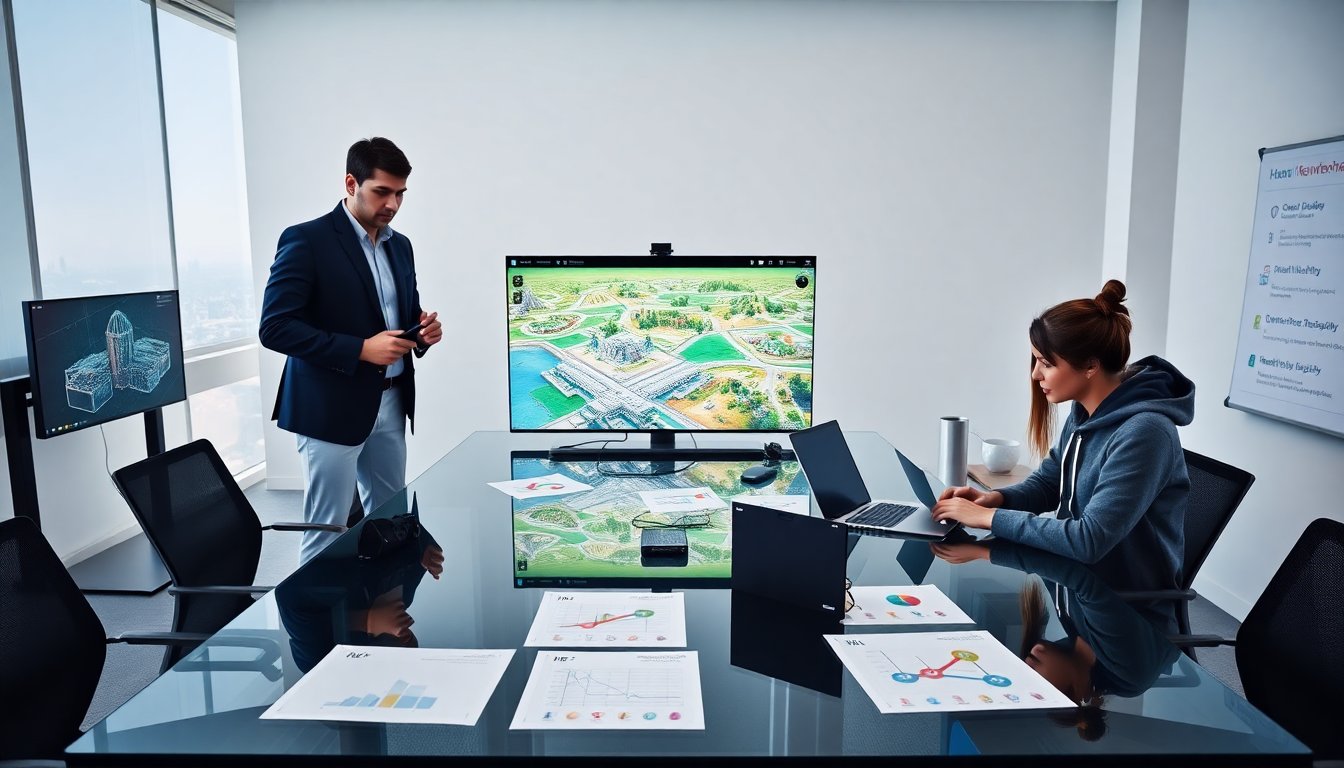
Multiplayer simulation games shape how people play, build, and socialize online. Multiplayer simulation games let players create worlds, run systems, and test ideas with others. The genre blends strategy, creativity, and social interaction. This guide explains what the games are, how they affect culture, and how players and creators make better experiences. The text stays practical and direct for readers who want clear answers.
Multiplayer simulation games model systems that players can influence together. They often simulate cities, economies, ecosystems, or social systems. Players act, trade, build, and coordinate. They also experiment with rules and roles. The genre includes persistent worlds and session-based sandboxes.
The games shape social habits. People learn planning, negotiation, and role skills while they play. Players form groups to run projects and share resources. The games also influence creative culture. Streamers, modders, and builders publish maps, tutorials, and tools that others use.
Multiplayer simulation games affect learning. Teachers reuse game systems to teach civics, economics, or ecology. Researchers use the games to test group behavior and decision patterns. Cities and planners study virtual models to explore design ideas at low cost.
The games create new economies. Players trade virtual goods, pay for services, and sell mods. Some virtual markets mirror real-world supply and demand. Developers must watch these markets to keep balance. Regulators and platforms also track economic activity for fraud and safety.
The cultural impact has costs. Social stress, griefing, and exclusion sometimes appear. Communities address these issues with rules, moderation, and design changes. Developers who care about culture invest in safety tools and fair systems. Players who care create norms and guide newcomers.
Several core genres appear inside multiplayer simulation games. City sims focus on planning and services. Life sims focus on characters and social roles. Management sims focus on resources and staff. Survival sims focus on scarcity and cooperation. Each genre uses shared mechanics and different goals.
Key mechanics include resource loops, emergent systems, and player roles. Resource loops require players to gather, transform, and spend items. Emergent systems let unexpected outcomes arise from simple rules. Player roles assign responsibilities like builder, trader, or leader. Designers combine these mechanics to create depth.
Representative titles show what each model can do. City-building examples show scale and policy trade-offs. Life simulation examples show social systems and personal expression. Management examples show queues, staffing, and optimization. Survival examples show teamwork under pressure.
Modern titles that shaped the space include long-running sandbox games, cooperative economy sims, and shared-building platforms. These games attract large communities and active modding scenes. Mods extend mechanics and change player goals. They also reveal which mechanics players value most.
Developers now add cross-play, cloud saves, and integrated social tools. They also add official mod support and marketplaces. These features let communities grow faster and stay active. Players choose titles based on goals: creative play, social interaction, or competitive systems.
Players should match game features to their goals. If a player wants creative freedom, they should pick a sandbox with robust building tools. If a player wants strategic challenge, they should pick a game with deep systems and clear metrics. If a player wants social play, they should pick a title with groups, guilds, or shared objectives.
Good play habits improve the experience. Players should learn basic rules, read community guides, and test systems in low-stakes sessions. Players should communicate clearly and set expectations before big projects. They should offer help and credit when they use others’ designs. The best groups document tasks and rotate responsibilities.
Creators can improve multiplayer simulation games with three priorities: clear rules, visible feedback, and fair systems. Clear rules reduce confusion. Visible feedback helps players learn cause and effect. Fair systems keep competition healthy and reduce exploit risk. Creators should instrument systems to collect safe usage data and listen to community reports.
Designers should tune resource flows and social incentives. They should test with small groups before wide release. They should add simple onboarding that teaches core mechanics in short steps. Designers should include moderation tools and reporting paths. They should support user content and let players shape goals.
Communities matter for long-term success. Developers should invest in tools that let creators share content and earn recognition. Players should follow and support creators who make helpful guides. Both sides should keep focus on sustainable play and fair access. In that way, multiplayer simulation games stay fun and relevant for many players.