Phone:
(701)814-6992
Physical address:
6296 Donnelly Plaza
Ratkeville, Bahamas.
Phone:
(701)814-6992
Physical address:
6296 Donnelly Plaza
Ratkeville, Bahamas.
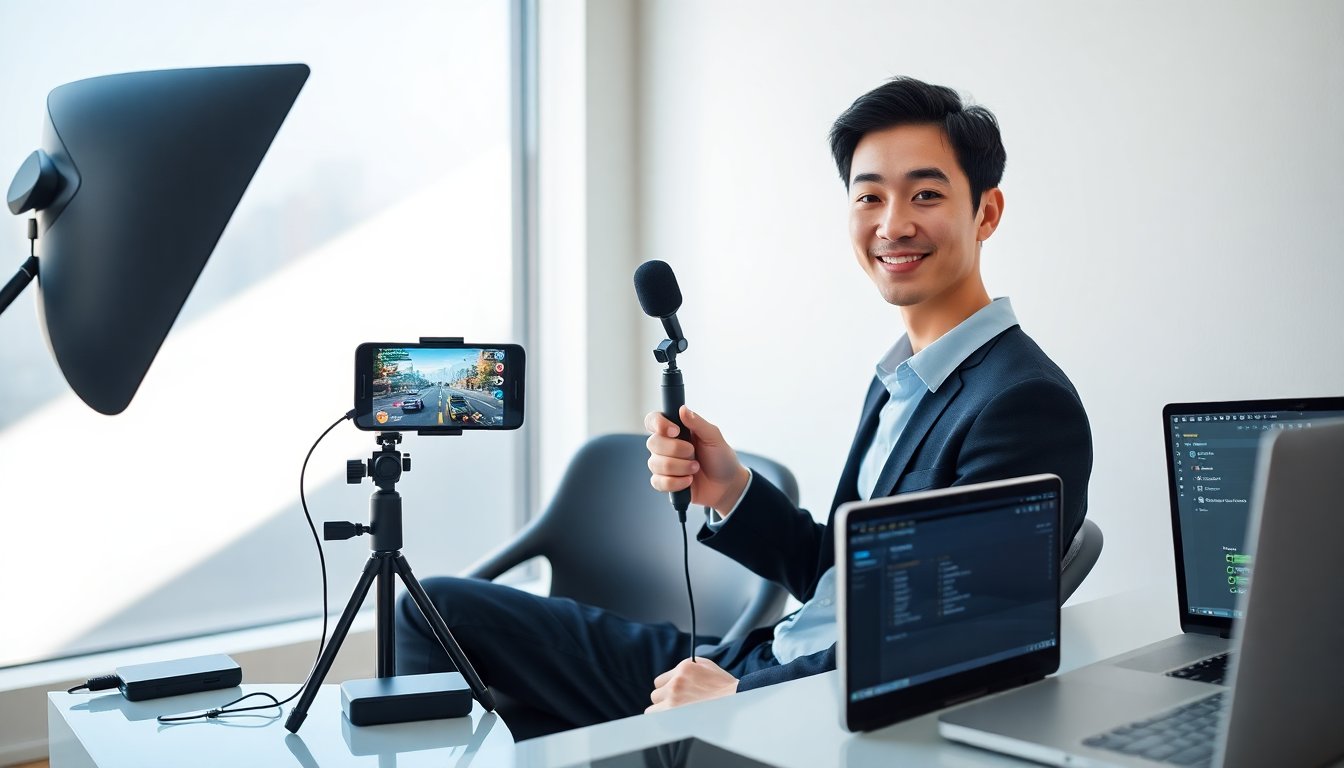
How to get mobile gaming on TikTok Live is a common question for streamers in 2026. This guide explains what they need, how they can share gameplay, and how they can keep viewers engaged. It lists three practical methods and the permissions required. It uses clear steps and direct language so readers can set up a stream quickly and reliably.
Accounts and eligibility
TikTok requires a verified account or at least 1,000 followers for some streaming features. They should check the app’s live rules and age limits before they plan a broadcast. They should enable two-factor authentication to protect the account.
Device and network requirements
A modern smartphone with a recent OS works best. They should use a device with 4GB or more of RAM for stable streaming. They should connect to a strong Wi‑Fi network or to a mobile network with consistent upload speeds above 5 Mbps.
Permissions and app settings
They should grant TikTok permission to record the screen if they plan to use native screen capture. They should also grant microphone access if they plan to talk. They should review app battery and background activity settings to prevent the device from sleeping during the stream.
Accessories that help
They can use a clip or adapter to attach an external microphone for better audio. They can use a small tripod or phone stand to secure the device. They can use a power bank or charger to keep the device charged during long sessions.
Safety and account health
They should follow community guidelines for in‑game content. They should disable notifications or use a focus mode to avoid private messages appearing on screen. They should record a short test stream to confirm audio and video quality before going live to a wider audience.
Method 1: Native screen share inside TikTok
TikTok offers a built‑in screen share tool in many regions. They should tap the + button, choose Live, select the Screen Share option, and then start broadcasting. They should confirm the app shows a countdown and that the game runs smoothly under the overlay. This method uses the TikTok app only and avoids extra software.
Method 2: Use a capture card and a second device
They can route gameplay through a second mobile device or a console that outputs to a capture card. They should connect the capture card to a laptop. They should run streaming software (OBS or Streamlabs) on the laptop and then send the stream to TikTok via RTMP if TikTok provides RTMP keys. This method gives them more control over overlays and quality. They should test bitrate and resolution to avoid lag.
Method 3: Use a mobile streaming app that supports TikTok
They can use mobile apps that support TikTok Live streaming directly. They should install the app, sign in to TikTok through the app, and enable screen capture and microphone access. They should add overlays and chat widgets inside the streaming app if available. This method balances control and convenience.
When to pick each method
They should pick native screen share for quick streams and casual sessions. They should pick capture cards for higher production value and multi‑device setups. They should pick a streaming app when they want a mix of control and mobile convenience.
Steps common to all methods
They should set a clear stream title that mentions the game and the goal. They should select a category or tag if TikTok offers one. They should enable chat moderation or assign moderators for larger audiences.
Common technical fixes
If the stream lags, they should lower the game’s graphics settings and reduce the stream bitrate. If audio drops, they should check microphone permissions and reconnect any external mic. If the screen share fails, they should force‑close TikTok and restart the device, then try again.
Performance tuning
They should set the stream bitrate between 2,500 and 4,000 kbps for 720p streams. They should use 30 fps for mobile games that rely on smooth input and 60 fps only if the device and network support it. They should close background apps to free memory and avoid thermal throttling by keeping the device cool.
Stream layout and overlays
They should keep overlays minimal so the game stays visible. They should place chat and alerts at screen edges. They should use readable fonts and short alert sounds so they do not distract from gameplay.
Audience building and engagement
They should greet new viewers by name within the first minute. They should ask one clear question every 10 minutes to spark chat replies. They should pin simple rules for chat at the start of the stream to reduce moderation burden. They should run short polls or quick challenges to keep viewers watching.
Monetization and growth tips
They should enable gifting and accept virtual gifts if TikTok allows it. They should post short clips from the stream as TikTok videos to attract new followers. They should schedule streams regularly so followers know when to return.
When problems persist
They should check TikTok’s status page or help center for known outages. They should contact TikTok support for account or streaming key issues. They should keep backup plans ready, such as switching to a different streaming app or using a recorded gameplay video while they fix live issues.
Legal and in‑game rules
They should confirm the game’s EULA allows streaming. They should avoid copyrighted music that could trigger takedowns. They should state when they use in‑game purchases or sponsored content to follow disclosure rules.