Phone:
(701)814-6992
Physical address:
6296 Donnelly Plaza
Ratkeville, Bahamas.

Phone:
(701)814-6992
Physical address:
6296 Donnelly Plaza
Ratkeville, Bahamas.
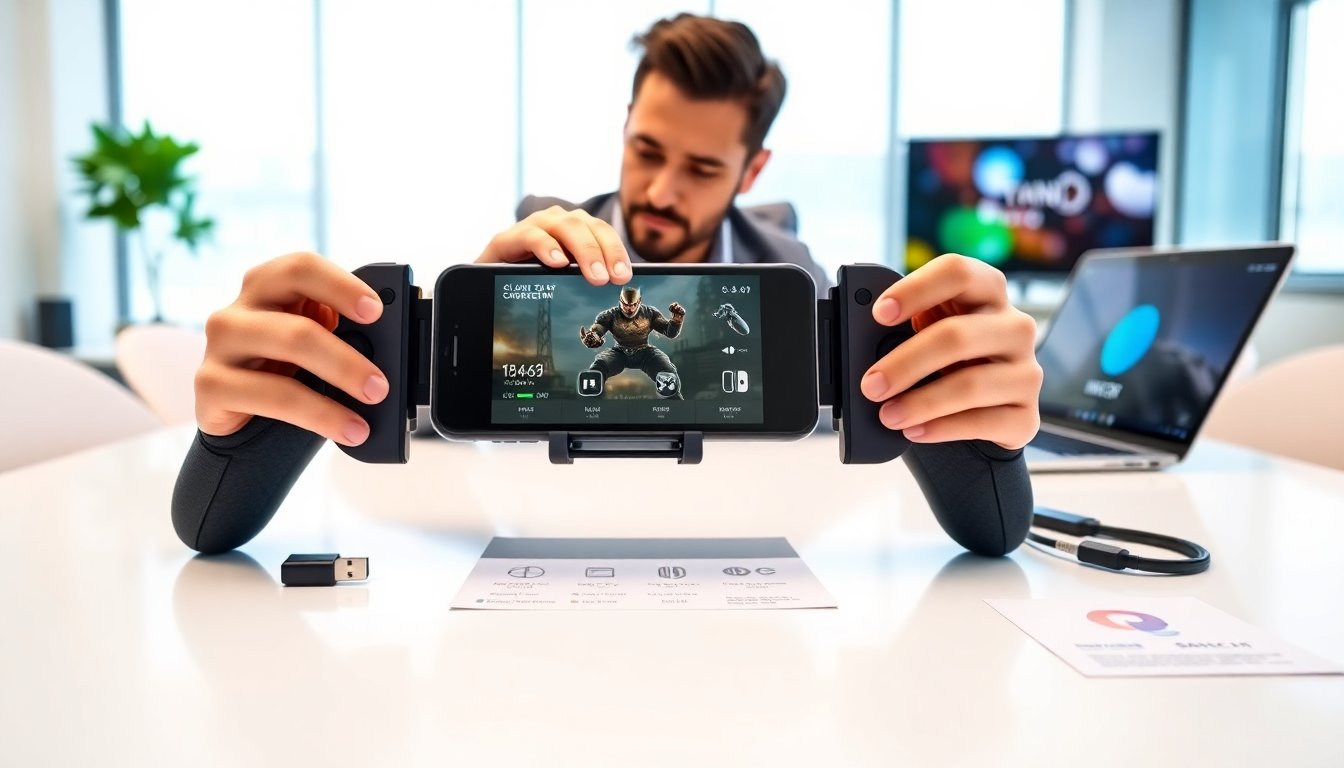
Mobile gaming corps switch controller sits at the center of many mobile play setups in 2026. The reader will learn clear criteria for choice. The guide will compare compatibility, controls, latency, and battery. The reader will get direct advice that helps pick the right corps switch controller for phone, tablet, and cloud play.
The buyer checks compatibility first. The mobile gaming corps switch controller must support the device model. The buyer verifies Bluetooth version, USB-C alternate mode, and MFi or Android HID profiles. The controller lists supported platforms on the box and on the product page. The buyer matches those specs to the phone or tablet.
The buyer values low latency. The controller uses Bluetooth Low Energy or a dedicated dongle to cut lag. The buyer measures latency in milliseconds when possible. The controller with lower latency gives tighter input for shooters and fighters.
The buyer watches battery life. The controller shows battery capacity in mAh and estimated hours. The buyer prefers at least 12 hours of mixed use for long sessions. The controller that supports fast charging or USB-C charging reduces downtime.
The buyer inspects controls and layout. The mobile gaming corps switch controller offers joysticks, D-pad, shoulder buttons, and extra macro buttons. The buyer tests stick feel and button travel. The controller with sturdy microswitches lasts through heavy use.
The buyer checks build and grip. The controller uses plastic, rubber, or textured finishes. The buyer holds the controller to test comfort for long play. The controller with modular grips or adjustable clamps adapts to different phone sizes.
The buyer verifies software support. The controller provides a companion app for remapping, firmware updates, and sensitivity adjustment. The buyer updates firmware to fix bugs. The app that offers profiles for specific games speeds setup.
The buyer confirms game compatibility. The controller lists supported games or profiles for cloud services like Xbox Cloud Gaming and Steam Link. The buyer tests popular titles to confirm button mapping works. The controller that advertises native Switch layout may map better for some ports and emulators.
The player chooses by genre and posture. The mobile gaming corps switch controller suits different play styles. The player who favors shooters picks a controller with low deadzone sticks and hair-trigger paddles. The player who favors platformers prefers a crisp D-pad and light face buttons. The player who favors racing games values analog trigger range and smooth sticks.
The commuter values compact size and folding designs. The commuter picks a controller that clamps to the phone and folds flat into a bag. The commuter values quick pair and long battery life. The commuter prefers controllers that support passthrough charging so play continues during charge.
The living-room player links a phone or tablet to a TV. The living-room player picks a controller with stable wireless range and a reliable dongle. The living-room player often uses cloud services. The controller that supports multi-device pairing helps when alternate devices appear.
The competitive player customizes inputs. The competitive player uses remappable buttons, trigger locks, and adjustable stick tension. The competitive player favors an app that stores game profiles. The controller that offers hardware paddles and low-latency dongle often improves performance.
The value-conscious player balances cost and features. The value-conscious player looks for solid build, known IC chips for Bluetooth, and warranty. The value-conscious player reads reviews and verifies real-world battery life. The player often chooses a mid-tier mobile gaming corps switch controller that offers the best mix of features and price.
The modder or hobbyist looks for open firmware or community support. The modder picks a controller with accessible firmware tools. The modder values replaceable parts and clear schematics. The controller that supports third-party profiles and scripts suits custom setups.
The family buyer considers multi-user support and ergonomics for small hands. The family buyer picks controllers with adjustable clamps and soft grips. The buyer values accessories like charging docks and spare mounts.
The user unboxes the controller and reads the quick start guide. The user charges the controller before the first use. The user installs the companion app when the app exists. The user updates firmware before pairing.
The user follows pairing steps. The user enables Bluetooth on the phone or inserts the dongle. The user holds the sync button until LEDs flash. The user completes pairing in the phone settings or in the app. The user confirms the phone lists the mobile gaming corps switch controller as connected.
The user calibrates sticks and triggers. The user opens the app or phone settings to run calibration. The user sets deadzone to reduce drift and sets sensitivity to match the game. The user saves a profile for each game. The controller that stores profiles on board keeps settings after reconnection.
The user optimizes for latency. The user uses the dedicated dongle when available. The user turns off other Bluetooth devices to reduce interference. The user uses 5 GHz Wi-Fi and moves away from routers during intense play. The controller with BLE and game mode reduces packet delay.
The user manages battery and power settings. The user enables auto-sleep only when they want the controller to conserve energy. The user keeps a short USB-C cable for passthrough charging. The user replaces or services worn thumbstick caps to keep input consistent.
The user solves mapping issues. The user opens the app to remap incompatible buttons. The user consults the product support page for known game quirks. The user reports persistent issues to support and checks for community fixes.
The user keeps a small toolkit. The user carries a spare cable, a cleaning brush, and extra thumb grips. The user inspects the clamp fit on different phones to avoid drops. The user tests cloud services and local games to confirm consistent performance.