Phone:
(701)814-6992
Physical address:
6296 Donnelly Plaza
Ratkeville, Bahamas.
Phone:
(701)814-6992
Physical address:
6296 Donnelly Plaza
Ratkeville, Bahamas.
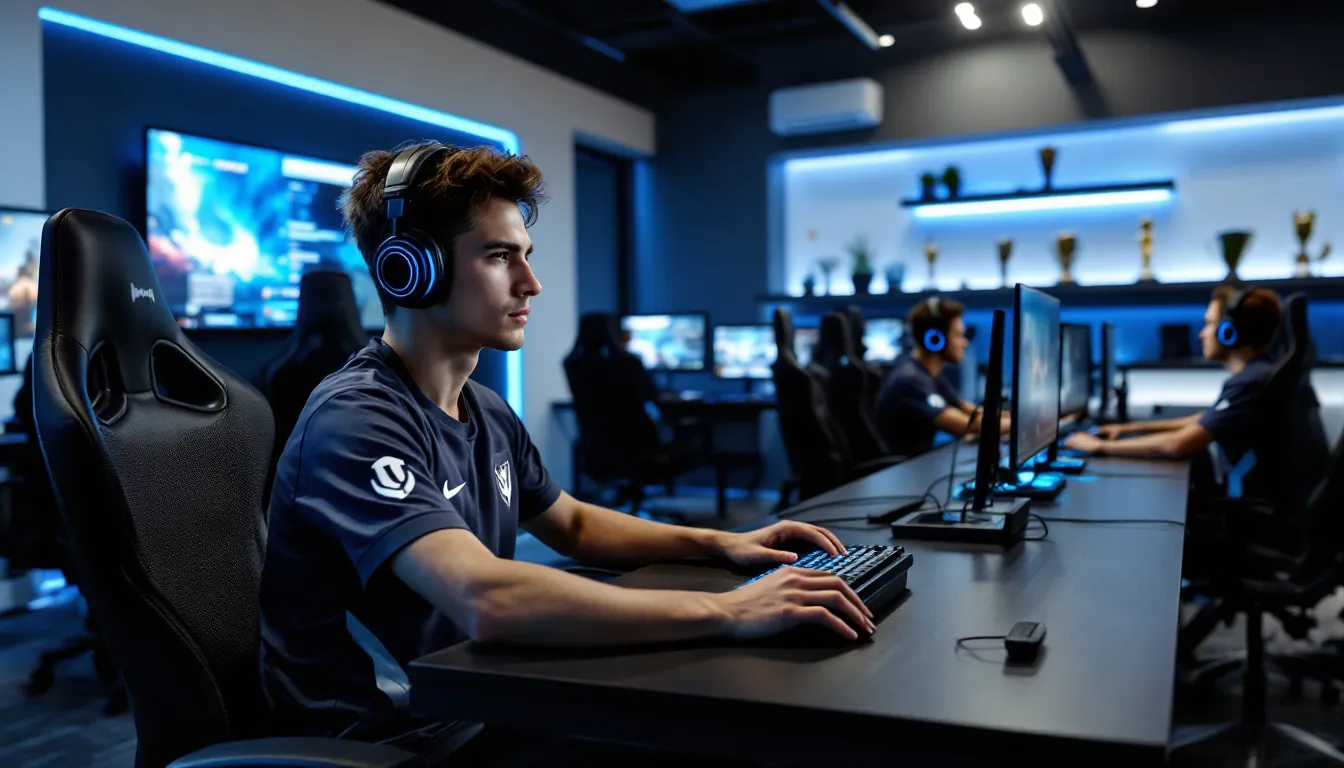
Luminosity Gaming has carved out a reputation as one of North America’s most recognizable esports organizations, fielding rosters across multiple titles and building a legacy that spans over a decade. From dominating Call of Duty tournaments to nurturing rising stars in Fortnite and Apex Legends, the organization has evolved alongside the competitive gaming landscape. In 2026, Luminosity continues to adapt to shifting metas, roster changes, and the ever-growing demands of content creation while maintaining its presence in both traditional FPS titles and the fighting game community. This deep dive explores the organization’s history, competitive successes, notable players, and what lies ahead for one of esports’ most dynamic teams.
Luminosity Gaming is a professional esports organization based in Canada, operating competitive rosters across multiple gaming titles including Call of Duty, Fortnite, Apex Legends, and various fighting games. Founded in 2015, the organization quickly became a household name in North American esports, particularly in the FPS and battle royale scenes.
The team competes at the highest levels across PC, console, and occasionally mobile platforms. Luminosity’s rosters have consistently placed in major tournaments, accumulating millions in prize earnings and securing championship titles that have cemented the org’s legacy.
Beyond competition, Luminosity operates as a content creation hub. The organization signs both competitive players and dedicated content creators, building a brand that bridges the gap between high-level play and community engagement. This dual approach has helped them stay relevant as esports continues to evolve beyond just tournament results.
Luminosity is part of the broader Enthusiast Gaming umbrella following its acquisition in 2018, providing additional resources for expansion while maintaining its competitive identity. The org’s blue and white branding is instantly recognizable across tournament streams, LAN events, and social media.
Luminosity Gaming was founded in 2015 by Steve Maida, initially focusing on competitive Call of Duty teams. The organization entered the scene during a critical period when esports was transitioning from grassroots tournaments to franchise-based leagues with substantial financial backing.
The early strategy was straightforward: sign talented rosters in high-viewership titles and build brand recognition through tournament performances. Luminosity’s first major moves involved acquiring established players rather than building from scratch, allowing them to immediately compete at tier-one events.
By 2016, Luminosity had expanded beyond Call of Duty into Counter-Strike: Global Offensive, signing the legendary Brazilian roster that would go on to win multiple majors (though this roster later departed to form SK Gaming). That brief CS:GO dominance put Luminosity on the global map and demonstrated the organization’s willingness to invest in world-class talent.
As battle royale games exploded in popularity from 2017 onward, Luminosity pivoted quickly. They signed top Fortnite players during the game’s competitive peak and built rosters in Apex Legends shortly after its 2019 launch, positioning themselves as battle royale specialists.
Several pivotal moments shaped Luminosity’s trajectory:
The Enthusiast Gaming acquisition was particularly significant. It gave Luminosity access to broader media infrastructure, sponsorship networks, and cross-promotion opportunities across gaming media properties. This allowed the org to weather the volatility of esports economics better than many independent competitors.
Call of Duty remains a foundational title for Luminosity, though the organization’s involvement has fluctuated with the franchise’s shifting competitive formats. During the Call of Duty World League era, Luminosity rosters consistently placed in the top 12 globally, with several top-four finishes at major events.
With the transition to the Call of Duty League (CDL) franchise model, Luminosity faced challenges. The org doesn’t operate a CDL franchise slot but continues to field Challengers-level teams that compete for spots in the pro circuit. In 2026, their Challengers roster serves as a development pipeline, with several players earning tryouts for franchised teams.
In Apex Legends, Luminosity fielded one of the most competitive rosters during the game’s ALGS (Apex Legends Global Series) peak years. Their team secured multiple top-three finishes in North American regional championships between 2020 and 2023. Though roster changes have impacted consistency, the org maintains an active ALGS team competing in Split 1 and Split 2 tournaments.
Warzone also saw Luminosity investment during the game’s competitive height in 2020-2021, with several signed creators and competitive players participating in high-stakes tournaments and Twitch Rivals events.
Luminosity’s Fortnite division exploded during Chapter 1 and Chapter 2, with the org signing multiple players who qualified for Fortnite World Cup events and FNCS (Fortnite Champion Series) grand finals. While Fortnite’s competitive scene has evolved toward more creator-focused content, Luminosity maintains a roster of players who compete in FNCS and community tournaments.
Beyond battle royales, Luminosity has dabbled in:
The organization’s FPS focus reflects its DNA. Rather than spreading thin across MOBAs, RTS games, or sports titles, Luminosity doubles down on shooter expertise, many players and coaches naturally covering similar mechanics found on competitive gaming guides for other esports.
Luminosity carved out a unique niche by investing in the Fighting Game Community (FGC), a space many esports orgs overlook. The organization has signed top-tier players in:
This FGC commitment gives Luminosity credibility in a passionate, grassroots-driven community that values authenticity over corporate polish. Their FGC players regularly stream on Twitch and create tutorial content, blending competition with community engagement.
Luminosity has housed dozens of high-profile players across its history. Some of the most impactful include:
Call of Duty:
Fortnite:
Apex Legends:
Fighting Games:
Many Luminosity-signed personalities aren’t strictly competitive players. The org signs content creators who specialize in guides, commentary, and entertainment-focused streams. This mixed roster strategy keeps the brand visible even during competitive off-seasons.
Player retention has been a challenge, as is common in esports. Roster turnover is frequent, driven by performance expectations, buyout opportunities, and players seeking franchised league spots. Still, Luminosity alumni often speak positively about their time with the org, crediting support staff and competitive opportunities.
Luminosity’s trophy case includes championships across multiple titles:
CS:GO (2016):
Call of Duty:
Apex Legends:
Fortnite:
Fighting Games:
While Luminosity hasn’t captured a world championship since the 2016 CS:GO major, the org consistently fields rosters that place in prize-earning positions. This consistency matters more for long-term sustainability than occasional Cinderella runs.
According to esports earnings databases, Luminosity Gaming has accumulated over $5.5 million in documented prize winnings across all titles since 2015. The bulk came from the 2016 CS:GO major wins, which totaled roughly $1 million combined.
Breakdown by title:
These figures place Luminosity roughly in the top 60 esports organizations globally by total earnings. While not matching the $20M+ totals of organizations like Team Liquid or Evil Geniuses, Luminosity’s earnings reflect consistent mid-to-upper-tier competitive performance, drawing analysis similar to what you’d find in esports coverage of established North American orgs.
Recognizing that tournament winnings alone don’t sustain modern esports orgs, Luminosity invested heavily in content creation starting around 2019. The org signs players and creators across YouTube, Twitch, and TikTok, building audiences that drive sponsorship value independent of competitive results.
Key elements of their content strategy:
Platform Diversity:
Content Types:
Several Luminosity creators have built six-figure subscriber bases, with top personalities pulling 500K+ YouTube subscribers and averaging 2,000-5,000 concurrent Twitch viewers during peak streams. This creator roster generates consistent impressions that attract endemic and non-endemic sponsors.
The org also hosts community tournaments and viewer competitions, leveraging creator audiences to drive engagement. These events often feature prize pools funded by sponsors, creating win-win scenarios that boost both brand visibility and community goodwill.
Luminosity’s creator-first pivot mirrors broader industry trends. As franchised leagues consolidate competitive opportunities and prize pools stabilize, orgs increasingly rely on content creation for revenue diversification. For Luminosity, this means some signed personalities never compete professionally but deliver more consistent ROI through sponsored content and brand deals.
Luminosity Gaming has secured partnerships with both endemic gaming brands and mainstream advertisers:
Endemic Sponsors:
Non-Endemic Partnerships:
The Enthusiast Gaming parent company provides access to broader media inventory, allowing sponsors to bundle Luminosity activations with advertising across gaming news sites, YouTube channels, and gaming events. This integrated offering makes Luminosity more attractive to advertisers than standalone orgs.
Luminosity also leverages player popularity for sponsored content campaigns. Top creators produce integration videos where they use sponsor products during gameplay, explaining features while demonstrating performance, similar to what you’d see in pro player settings content that highlights specific gear configurations.
Merchandise sales provide another revenue stream. Luminosity operates an online store selling jerseys, hoodies, hats, and accessories. While merch revenue typically represents a small percentage of total income for mid-tier orgs, it builds brand loyalty and provides tangible ways for fans to support the team.
Sponsorship challenges in 2025-2026 reflect broader esports industry headwinds. Some brands have reduced esports budgets as they reassess ROI, forcing orgs like Luminosity to demonstrate clearer value through engagement metrics, conversion tracking, and audience demographics.
Luminosity Gaming occupies an interesting middle tier in the North American esports hierarchy. The org isn’t a dominant force like TSM or Cloud9, nor is it a struggling upstart. Instead, Luminosity represents the sustainable esports organization: competitive without being championship-dependent, diversified across multiple revenue streams, and willing to pivot as the industry evolves.
Several contributions stand out:
FPS Specialization: By focusing primarily on shooters and battle royales rather than spreading across every genre, Luminosity built institutional knowledge in coaching, analysis, and player development specific to FPS mechanics. This specialization allows for resource efficiency that generalist orgs struggle to match.
FGC Investment: Many esports orgs ignore fighting games due to smaller prize pools and niche audiences. Luminosity’s commitment to the FGC demonstrates that sustainable esports models can serve passionate communities rather than just chasing maximum prize money. This grassroots credibility pays dividends in brand perception.
Canadian Representation: As a Canadian-founded org, Luminosity provides a competitive home for Canadian players and helps grow esports infrastructure outside the typical US coastal hubs. This regional diversity strengthens North American esports overall.
Creator Hybrid Model: Luminosity’s blend of competitive rosters and content creators has become increasingly common, but the org was relatively early to this approach. Their success validated a model now copied across the industry.
Luminosity’s impact shouldn’t be overstated, the org hasn’t revolutionized esports or created entirely new competitive scenes. But consistent presence, smart pivots, and willingness to invest in overlooked communities have made the organization a respected fixture in North American esports for over a decade.
Like most esports organizations, Luminosity has faced its share of challenges and occasional controversies:
Roster Instability:
Frequent roster changes, particularly in Call of Duty and CS:GO, sometimes created perception issues. The 2016 CS:GO roster departing to SK Gaming was a major blow that forced Luminosity to rebuild competitive credibility.
Franchising Exclusion:
Luminosity’s absence from franchised leagues like the Call of Duty League and Overwatch League limited growth opportunities in those titles. Without franchise slots, the org couldn’t compete at the highest tier in some of esports’ most-watched competitions.
Economic Pressures:
The broader esports funding correction that began in 2022-2023 affected Luminosity like most orgs. Reduced venture capital investment, declining tournament prize pools in some titles, and sponsor budget cuts forced operational adjustments and likely roster reductions.
Player Disputes:
Occasional contract disputes and player departures created minor PR issues, though nothing approaching major scandal. Some former players have criticized payment timelines or support resources, complaints common across mid-tier esports orgs.
Content Controversies:
A handful of signed creators faced platform bans or community backlash for controversial statements or behavior. While these incidents were relatively minor and quickly addressed, they highlight the risks of signing personalities whose content extends beyond pure gameplay.
Acquisition Uncertainty:
Following the Enthusiast Gaming acquisition, some fans worried about potential changes to team culture or competitive priorities. While Luminosity maintained operational independence, the parent company’s financial health became a concern during broader gaming media industry turbulence.
None of these issues significantly damaged Luminosity’s reputation long-term. The org has generally managed challenges professionally, maintaining transparency where possible and making adjustments when necessary. In an industry known for spectacular implosions and sudden org shutdowns, Luminosity’s relative stability is noteworthy.
As of March 2026, Luminosity Gaming appears focused on consolidation and sustainability rather than explosive growth:
Competitive Priorities:
Content Expansion:
Expect continued emphasis on creator signings, particularly in emerging platforms and games. Luminosity will likely explore opportunities in:
Potential Growth Areas:
Business Model Evolution:
Luminosity will likely continue shifting toward creator-driven revenue while maintaining competitive rosters where ROI justifies investment. Expect more sponsored content, brand integration, and hybrid player-creator signings rather than purely competitive-focused rosters.
The organization faces the same headwinds as the broader esports industry: stabilizing sponsorship markets, uncertain franchise economics, and evolving game popularity. Success in 2026 and beyond will depend on smart resource allocation, identifying emerging talent before competitors, and maintaining the brand flexibility to pivot as the competitive landscape shifts.
Luminosity’s track record suggests they’ll adapt. The org survived the CS:GO roster loss, navigated battle royale booms and busts, and built sustainable presence across multiple titles. That resilience positions them well for whatever the next decade of esports brings.
Luminosity Gaming represents the middle class of North American esports, not the flashiest org, but reliable, adaptable, and still standing after more than a decade of industry turbulence. From championship CS:GO runs to sustained FPS competition across Apex Legends, Fortnite, and Call of Duty, the organization has built a legacy through consistent performance rather than occasional dominance.
The blend of competitive rosters and content creators positions Luminosity for long-term sustainability in an industry where pure tournament success rarely pays the bills. Their FGC commitment and Canadian roots add unique identity elements that distinguish them from countless other multi-game orgs.
Whether Luminosity reclaims championship glory or continues as a respected mid-tier competitor, the organization has already secured its place in esports history. For fans, players, and the broader gaming community, that consistent presence matters as much as any trophy.
